Seabed 2030
About Seabed 2030
Seabed 2030 is a global initiative aiming to map the entire ocean floor by 2030. A collaboration between the Nippon Foundation and the General Bathymetric Chart of the Oceans (GEBCO), the project brings together data, expertise, and coordination efforts from across the international ocean community.
Its work supports a wide range of applications, from scientific discovery to hazard mitigation and sustainable ocean management.
The challenge
Seabed 2030 spans a broad and evolving landscape of science, technology, and international collaboration. Its work touches multiple sectors, including research, policy, disaster risk reduction, and industry, each with different levels of familiarity with seabed mapping.
Communicating this work required more than individual pieces of content. It required a steady flow of material that could explain technical topics, highlight progress, and connect seabed mapping to real-world applications, all while remaining accessible to a range of audiences.
What we delivered
Working as a content partner over an extended period, we developed written content used across Seabed 2030’s communication channels, including newsletters, website content, and publications.
This included:
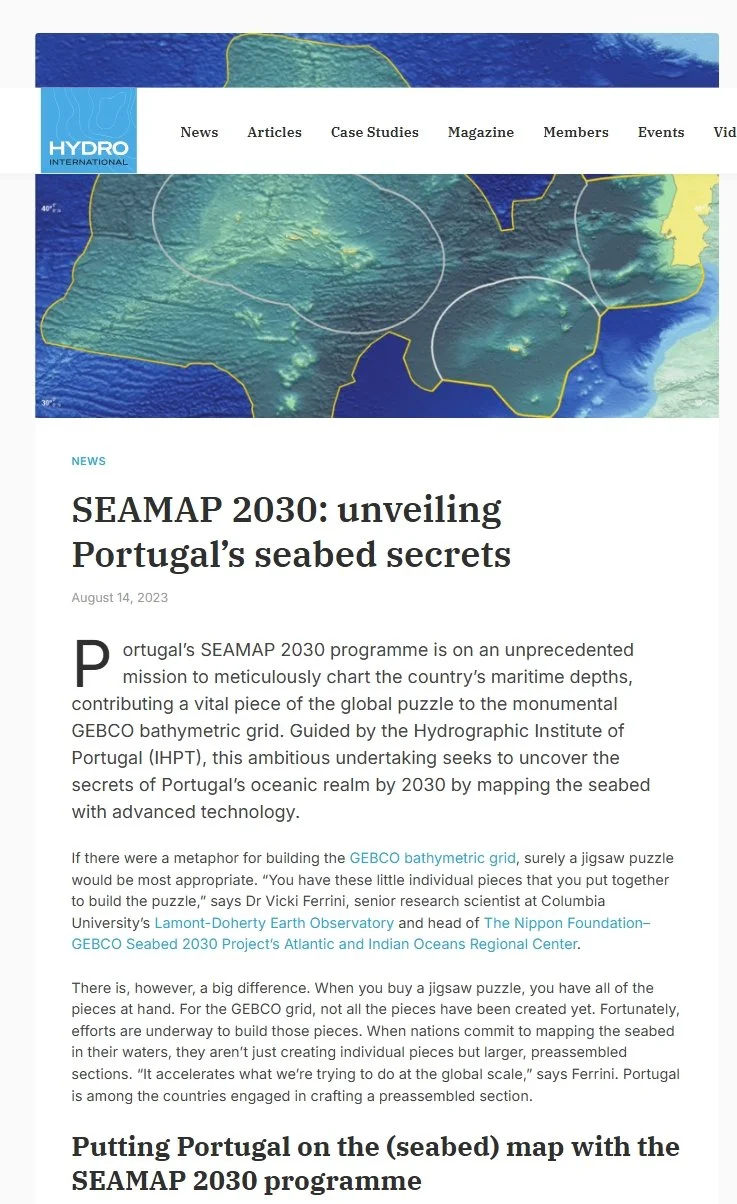
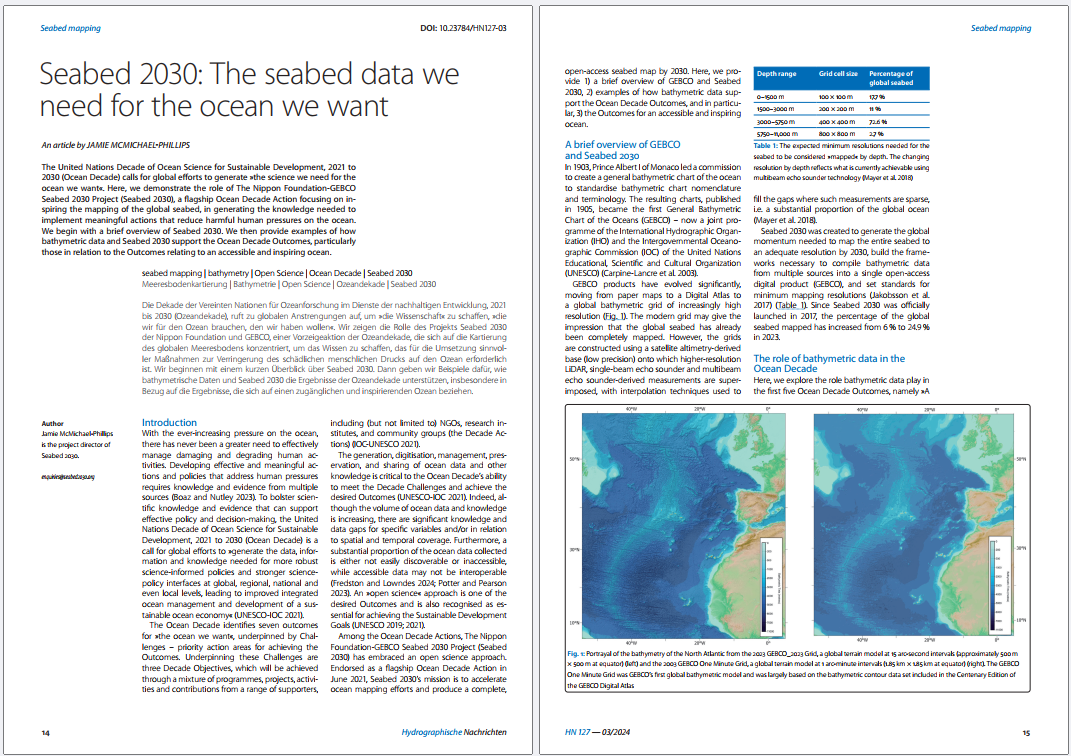
Writing articles covering seabed discoveries, mapping technologies, and scientific advances
Exploring the role of seabed mapping across sectors, including tsunami warning systems and offshore renewable energy
Developing content linking seabed mapping to sustainability priorities and global frameworks
Identifying and proposing article topics aligned with project priorities and emerging developments
Shaping content for different audiences, from general readers to more informed stakeholders
Outcomes
The work contributed to:
A consistent flow of clear, accessible content across Seabed 2030’s communication channels
Stronger connections between technical seabed mapping work and its real-world applications
Improved visibility of project activities, discoveries, and broader relevance
Content that supported engagement with a diverse, international audience
Reduced internal burden on the Seabed 2030 team to generate and shape written material