
The Ocean Brief
Short ocean stories and insights covering science, policy, innovation, and the ocean community
Baby sharks stick close to shore
Scientists have shown for the first time that juvenile great white sharks gather in nearshore waters up to 10 meters deep with temperatures between 16 and 22 °C – a very different habitat from that of adults. These preferences may optimize their growth and minimize the risk of predation. These results can inform conservation efforts and help avoid unwanted encounters with swimmers.
750+ Oil Slicks Found in Mediterranean Sea
A new report released at the Our Ocean Conference in Greece by SkyTruth, a nonprofit conservation technology organization, identified 757 oil slicks covering 1.9 million hectares in the Mediterranean Sea between July 2020 - January 2024. Most of these slicks were discharged from vessels in transit.
Data collected by record-breaking rowers shows Great Britain’s warming seas
The data reveals UK coastal seas were on average 0.39 Celsius warmer in 2023 than in 2022.
2023’s remarkable ocean discoveries
Thousands of marine species are discovered every year. Discover the top ten new finds in 2023, as chosen by my taxonomists.
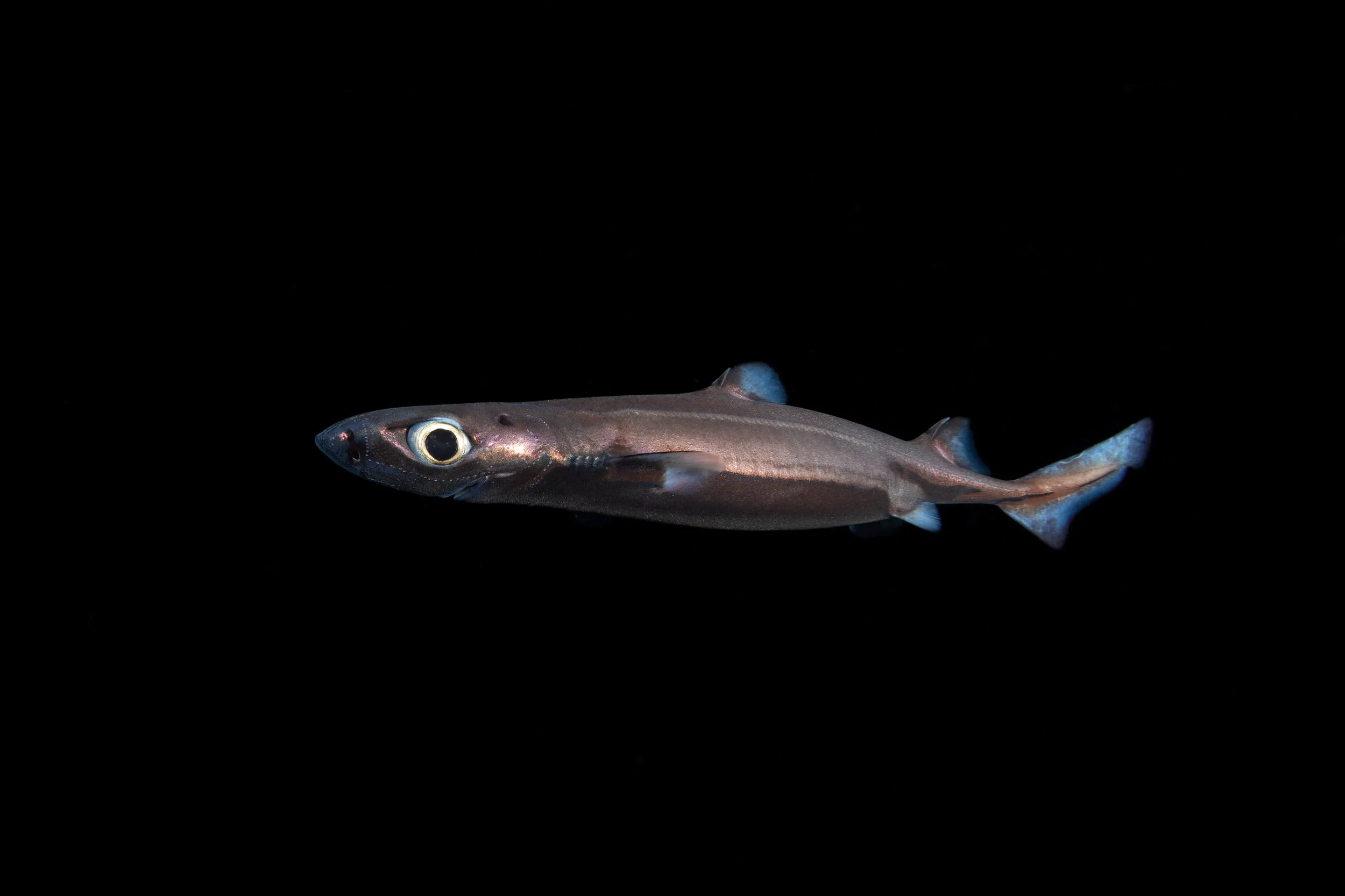
Deepwater sharks threatened by overfishing
One in seven species of deepwater sharks and rays are threatened with extinction due to overfishing.
Keeping boats energy efficient with a good clean
Giving the hull of your boat can help save you fuel - and cut greenhouse gas emissions
Celebrating World Seagrass Day
It’s World Seagrass Day so what better time to discover these amazing marine powerhouses
BLUE-X: harvesting Earth Observation data for offshore renewables
Seven European partners, including offshore renewable energy and Earth Observation specialists, have teamed up for the BLUE-X project. Together, they will develop a satellite-based decision support tool to accelerate offshore renewable energy deployments. This is the first blue energy Horizon Europe project funded by the EU Agency for the Space Programme (EUSPA).
Are climate negotiations... colonial?
Juan Auz and Phillip Paiement (Tilburg Law School) argue that "global climate negotiations embody neocolonialism because the Global North introduced insidious temperature targets, enabling silent yet significant devastation in the Global South at and below the 1.5°C threshold."