A recent science expedition along Argentina’s continental shelf has been a reminder of just how much of the ocean life there is to be discovered.
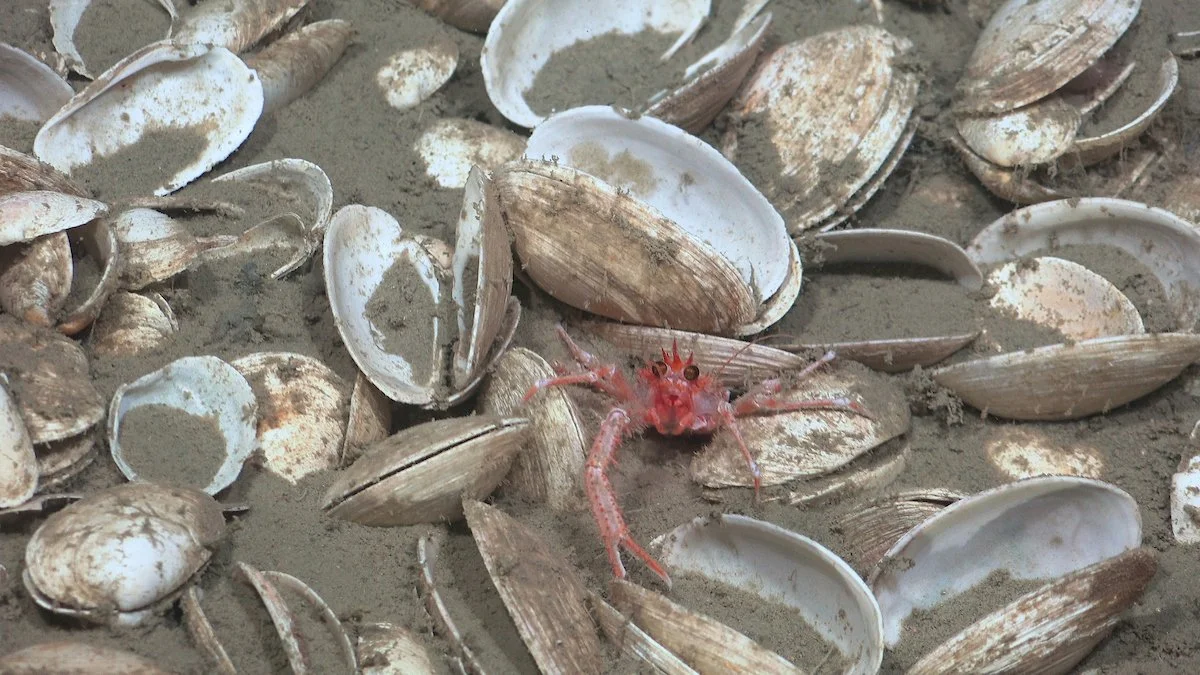
Argentinian researchers set sail on the Schmidt Ocean Institute’s research vessel Falkor (too) in search of cold seeps - areas where chemicals like methane are released into the sea from the seafloor. These chemicals support microbes, which in turn support animals like clams and mussels. There’s still a lot we don’t know about these seeps - including where they are. Along the voyage, which traversed the entire coastline of Argentina, the team did find seeps - and a lot more.
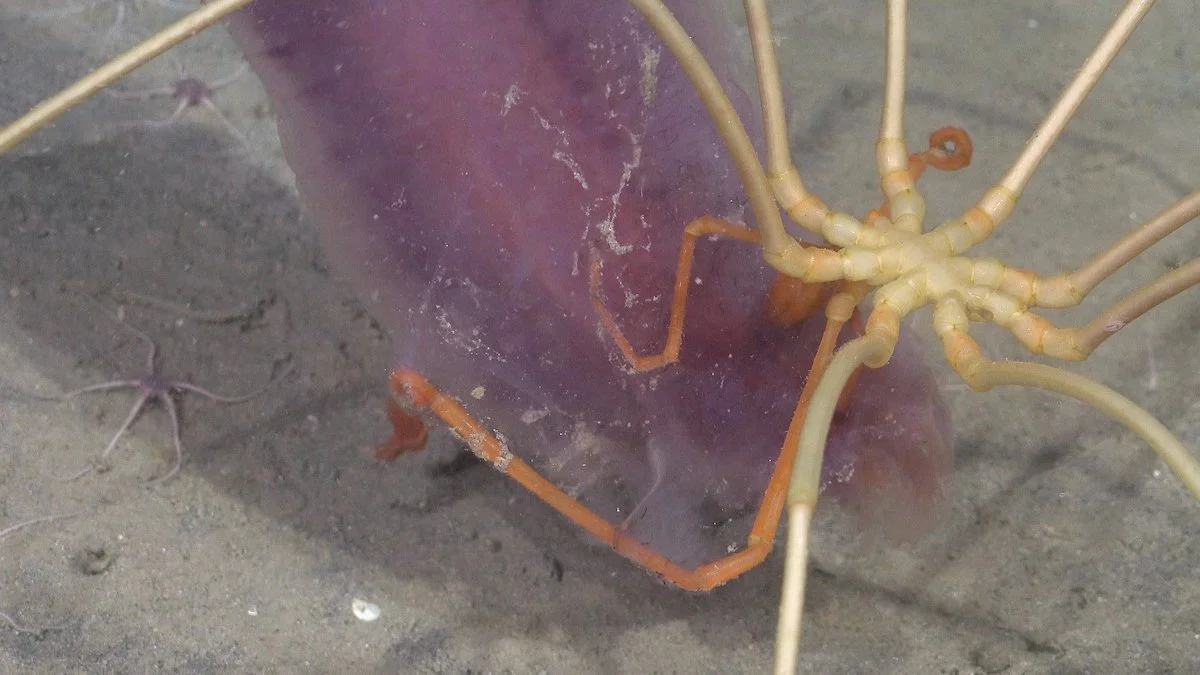
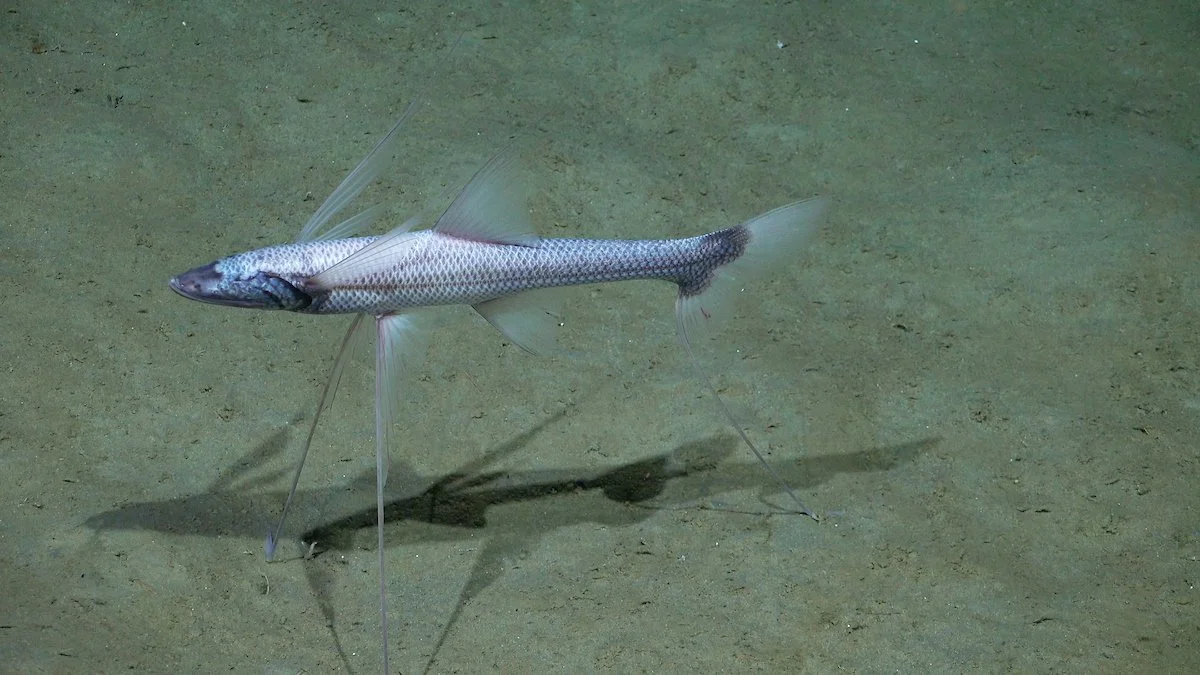
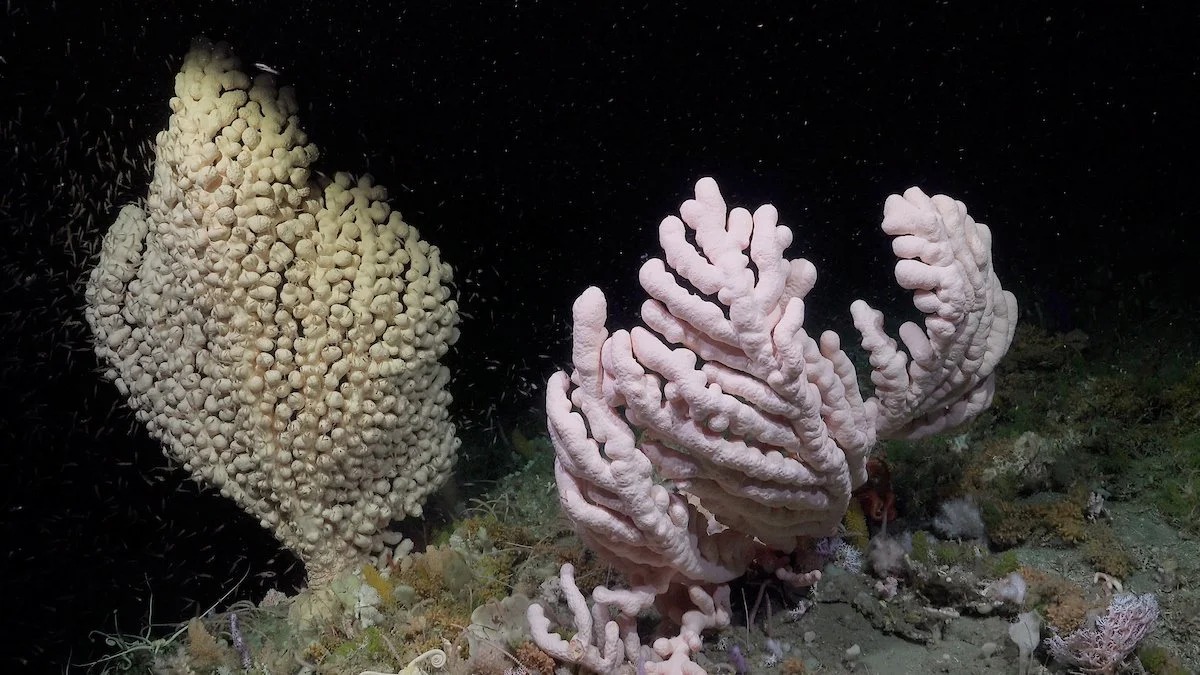
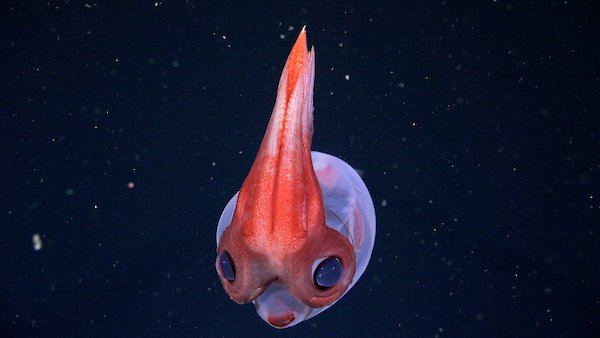
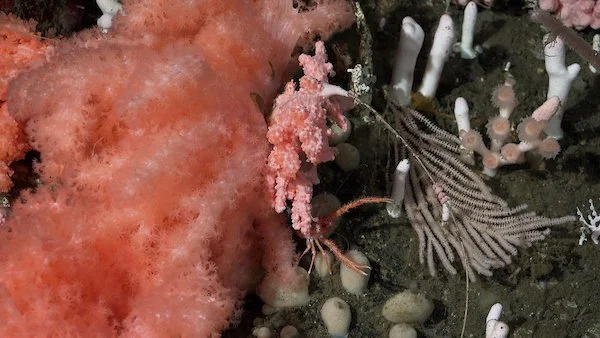
The expedition documented extensive deep-sea coral reefs, including the largest known reef formed by the cold-water coral Bathelia candida, ancient coral gardens, Argentina’s first known deep-water whale fall (a temporary deep-sea ecosystem created when a deceased whale’s body settles on the seabed), rare jellyfish, and at least 28 species thought to be new to science.
Unfortunately, the team also spotted lots of evidence of people. Yep - litter like fishing nets and rubbish bags.
The samples, photos, and videos will undoubtedly be studied for some years to come, helping us understand more about Argentina’s world beneath the waves and the deep sea in general.